
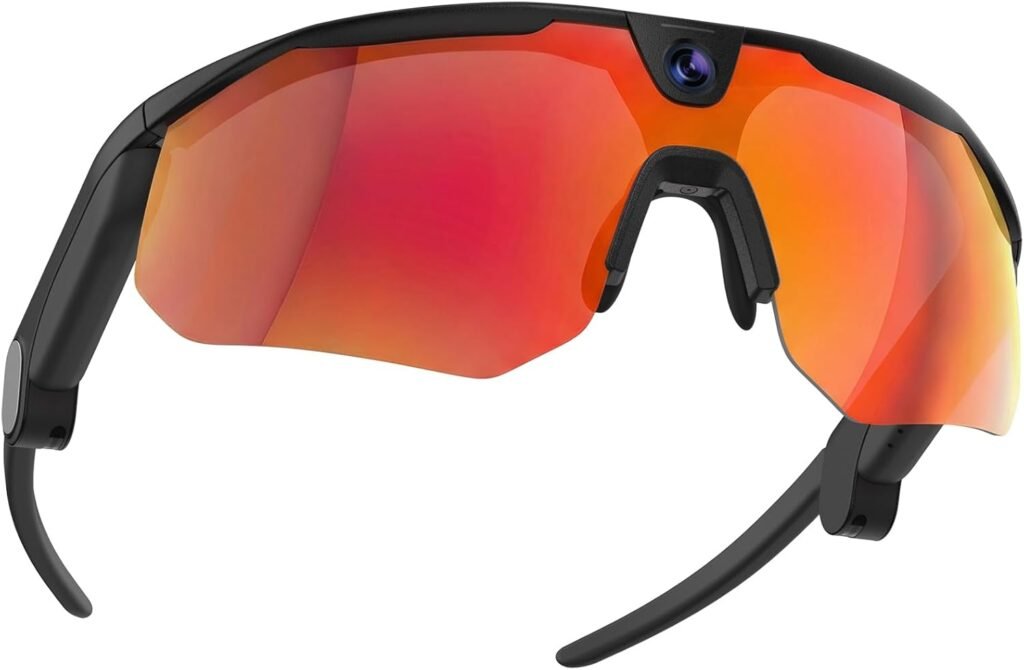
Ranger 2026 5-in-1 Smart Glasses – 16MP EIS…
BleeqUp Ranger aimed at riders and adventurers, with a 16MP sensor, 3K/60fps capture, open‑ear audio and activity tracking.
Overview
The Ranger 2026 5‑in‑1 Smart Glasses aim to do more than shade your eyes. Built around a classic sunglasses frame, they combine a 16MP camera with electronic image stabilisation (EIS), 3K HD video recording with a 120° field of view, Bluetooth calling, open‑ear audio and UV400 sun protection. An IP54 rating adds dust resistance and splash protection, positioning the glasses as a compact, outdoorsy gadget for people who want to record and listen without reaching for a phone.
This review looks at what those features mean in everyday use, where these glasses shine, and where they fall short compared with standalone cameras and dedicated headphones. The Ranger 2026 is not pitched as pro kit — it’s a convenience product that merges sunglasses and wearable tech for hands‑free capture and basic audio. Read on to see whether that trade‑off fits your needs.
Who is this best for?
Think of the Ranger 2026 as a tool for active, outdoor lifestyles rather than a studio accessory. The likely buyers are:
- Outdoor enthusiasts who want to capture scenic runs, hikes, bike rides or travel moments hands‑free without carrying a camera.
- Commuters and cyclists who value situational awareness — the open‑ear audio allows listening to directions or calls while still hearing traffic.
- Anyone who prefers a one‑piece solution for sun protection plus casual recording and calling, rather than juggling sunglasses, a phone and earbuds.
They are less well suited to people who demand professional‑grade imaging or audio, those who regularly use gear in heavy rain or underwater, or anyone who needs full sound isolation for music or calls.
Key features
The headline features that define the Ranger 2026 are straightforward and worth understanding before you buy:
- 16MP camera with EIS — The built‑in camera captures stills at 16 megapixels. Electronic image stabilisation is claimed to reduce blur and shake during movement.
- 3K HD video and 120° field of view — Video can be recorded up to 3K resolution with a wide 120° viewing angle, which helps take in broader landscapes or action scenes in a single frame.
- Bluetooth calling — The glasses support hands‑free calls via Bluetooth, so you can take or make calls without handling a phone.
- Open‑ear audio — Rather than covering your ears, the Ranger uses open‑ear drivers to provide audio while keeping your ears free to hear ambient sounds like traffic or conversation.
- UV400 protection — The lenses are rated to block ultraviolet light up to 400 nm, which is the standard for good sun protection.
- IP54 rating — The frame is protected against dust ingress and splashes, suitable for everyday outdoor use and light weather, but not for immersion.
These combined features are what make the product a “5‑in‑1” device: camera, video, calling, audio, and sunglasses.
Practical evaluation
Because the Ranger 2026 blends several functions into a single wearable, practical use and comfort matter as much as raw specs. Below is an evaluation of how each main capability typically performs in real‑world scenarios, based on the product description and the kind of trade‑offs this design implies.
Recording video and photos
A 16MP sensor and 3K video are useful for capturing everyday moments and scenic shots while you’re on the move. The 120° field of view is notably wide — that makes it easier to frame landscapes, group shots and action sequences from a natural head perspective. Electronic image stabilisation helps counteract hand and head movement, though EIS has limits and will not match the smoothness of a gimbal or an action camera with optical stabilisation.
For most holiday footage, hiking clips and quick vlogs, the camera should be perfectly adequate. However, if you need finer detail, low‑light performance or professional video quality, a dedicated camera remains the better option. Also check the manufacturer’s full specs for the supported file formats, bitrate and storage options before buying, since those affect post‑production flexibility.
Audio and calls
Open‑ear audio offers a clear safety advantage for outdoor use: your ears stay aware of traffic, pedestrians and other ambient cues. It’s handy for navigation prompts from a phone and for casual music listening. The trade‑off is sound quality — open‑ear systems typically deliver less bass and overall volume compared with in‑ear or over‑ear headphones, and they do not provide isolation.
Bluetooth calling is convenient, removing the need to fumble with a phone while you’re out. If you rely on crisp call audio in noisy environments, though, remember that the glasses’ microphones and open design may pick up more ambient noise than a headset with active noise control. As always with wearable Bluetooth devices, verify compatibility with your phone model on the manufacturer’s page.
Comfort, fit and day‑to‑day wear
Sunglasses with electronics in the frame inevitably weigh a little more than ordinary shades. Design and fit vary by face shape, and the Ranger 2026 may feel comfortable for many but not all wearers; trying them on where possible is wise if you plan long sessions. The open‑ear speakers remove the pressure around the ear canal that earbuds can create, which some users prefer for extended wear.
Because the electronics are integrated into the frame, the glasses are a discreet solution for those who prefer not to carry extra devices. If you often swap between tasks that require both high‑quality audio and imaging, though, carrying separate devices still makes sense.
Durability and weather resistance
The IP54 rating offers protection from dust and light splashes, which is appropriate for most outdoor activities such as walking, running and casual cycling in dry or mildly damp conditions. It’s not designed for swimming, heavy rain or prolonged exposure to water. If your plans include water sports or mountain biking in wet conditions, consider more robust alternatives or protective measures.
Strengths
- All‑in‑one convenience — Combining sunglasses, a camera and audio/call functions into a single frame reduces the number of devices you need to carry and operate while on the move.
- Wide‑angle recording — The 120° field of view is useful for capturing expansive scenes and action without needing to pan deliberately.
- Open‑ear audio enhances safety — You can listen to music or navigation while remaining aware of your surroundings, which is important for outdoor activities near traffic.
- UV400 protection — The lenses meet a basic expectation for everyday sun protection.
- Basic outdoor durability — IP54 dust and splash resistance makes the glasses practical for general outdoor use.
Limitations
- Not weatherproof for immersion — The IP54 rating protects against splashes and dust but does not make the glasses suitable for swimming or heavy rain.
- Audio quality trade‑offs — Open‑ear audio won’t match the bass response or noise isolation of closed headphones; music and immersive listening experiences will feel less rich.
- Privacy and legal considerations — A built‑in camera raises the potential for recording others inadvertently. Laws and local rules around filming in public vary, so be cautious and respectful of privacy when recording in populated areas.
- Not a replacement for specialist gear — If you require pro‑level imaging or studio‑quality audio, standalone cameras and dedicated headphones remain the better choice.
- Fit and comfort are personal — The design may not suit every face shape; long‑term comfort cannot be guaranteed without trying them on.
Pricing and value
Price and availability vary by retailer and over time, so check the manufacturer’s page or your preferred seller for the most current offers before buying. The Ranger 2026 is best evaluated on value in relation to how much you will use its integrated features. If you regularly record outdoor footage, take calls on the move and want to travel light, the convenience of a multi‑function frame can justify the cost compared with buying separate devices.
Conversely, if you only occasionally need one of these functions — for example, you mostly want sunglasses and rarely record — the additional expense of built‑in tech might not be worthwhile. Also factor in potential extras such as replacement lenses, protective cases or any accessories the manufacturer sells for mounting, cleaning or power. Since battery life and full compatibility details aren’t listed here, check those technical specifics first; short battery life or limited phone compatibility will affect value for money.
Alternatives to consider
If the Ranger 2026 looks close to what you need but you want to compare other approaches, here are sensible alternatives to evaluate:
- Action cameras — For higher frame rates, better stabilisation and more control over optics, a dedicated action camera (with a chest or helmet mount) will give superior video and mounting flexibility. It’s more cumbersome but delivers professional results.
- Clip‑on or chest‑mounted cameras — These offer hands‑free capture with less impact on eyewear fit, and they are often easier to upgrade independently from your sunglasses.
- True wireless earphones or sport earbuds — If audio quality and bass matter most, modern sports‑ready earbuds with ambient modes can offer a better listening experience while still allowing some situational awareness.
- Smart sunglasses with different audio approaches — Some competitors place speakers closer to the ears or use bone conduction; these can change the sound profile and comfort, so try different systems to find what suits you.
Choosing between these options depends on which feature you value most: image quality, audio fidelity, convenience or weather resistance.
Final verdict
The Ranger 2026 5‑in‑1 Smart Glasses are a sensible pick if you want an all‑in‑one wearable that simplifies recording, calling and listening during outdoor activities. The combination of a 16MP camera, 3K video with a wide 120° field of view, EIS and open‑ear audio covers the needs of casual content creators, travellers and active commuters. UV400 protection and an IP54 rating bolster their outdoor credentials.
However, this convenience comes with compromises. The open‑ear audio won’t satisfy audiophiles, the IP54 rating is not suited to heavy water exposure, and integrated electronics will not match the flexibility and performance of separate high‑end cameras or headphones. Additionally, recording in public brings privacy and legal considerations you should keep in mind.
If you value hands‑free capture and situational awareness more than studio‑grade audio or video, the Ranger 2026 is worth considering. Before you buy, check the manufacturer’s page for complete technical details — especially battery life, file formats, storage and phone compatibility — and, where possible, try them on to be sure of the fit.
Note: prices and availability can change, so confirm current offers with the official product page or your preferred retailer before purchasing.
Ready to check Ranger 2026 5-in-1 Smart Glasses – 16MP EIS Anti-Shake Camera Sunglasses with 3K HD Video & 120°FOV, BT Call,Open-Ear Audio Music,UV400 Protection,IP54 Waterproof for Outdoor Sports (Black)?
Check the latest offer before buying, then return to the main comparison if you want to compare it against the other shortlisted options.
Compare this with the full shortlist
Return to the full comparison guide to see how this product compares against the other shortlisted choices.