
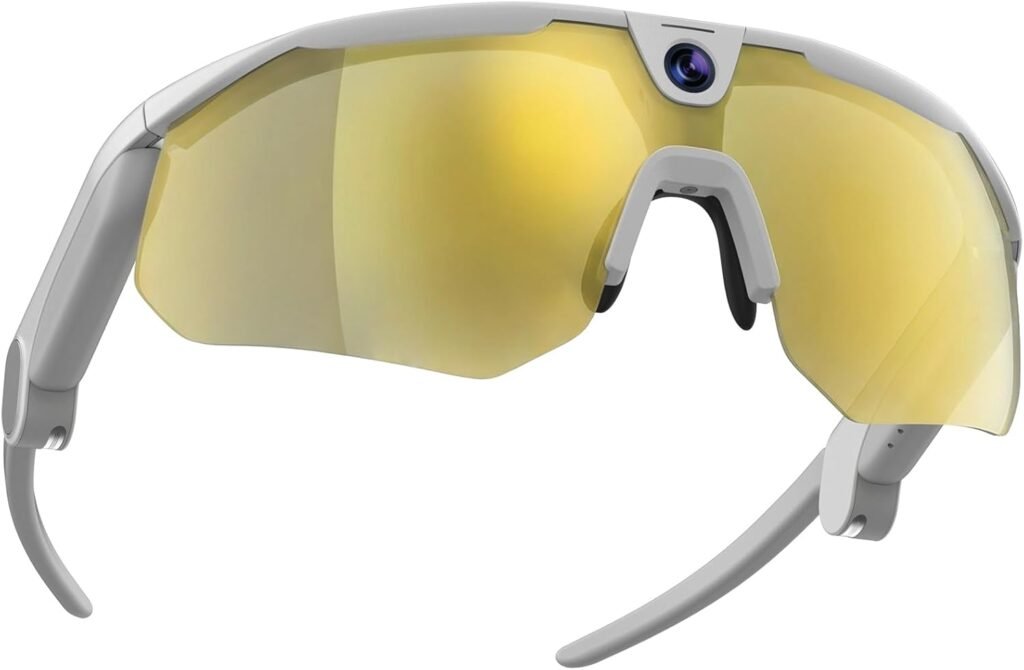
Ranger 5-in-1 Smart Glasses with 16MP Camera
BleeqUp Ranger 5‑in‑1 targets multi‑sport use with 16MP capture, 120° FOV, EIS, surround‑sound speakers, and group comms features.
Overview
The Ranger 5‑in‑1 Smart Glasses aim to combine recording and audio into a single pair of sunglasses for people who spend time outdoors. Built around a 120° wide‑angle camera capable of 16MP stills and 3K HD video with electronic image stabilisation (EIS), the frame also includes open‑ear speakers for music and calls, UV400‑rated lenses for sun protection and an IP54 splash‑resistant rating for light rain or sweat. The manufacturer positions the Ranger as an all‑in‑one solution for cyclists, hikers and commuters who want hands‑free capture and the safety benefit of keeping ambient sound while listening to audio.
This is a practical, consumer‑grade product rather than a professional camera or medical eyewear. It blends simple recording functionality with the convenience of sunglasses you can wear on the move. The design emphasises usability outdoors: a wide field of view to capture more of a scene, stabilisation to reduce motion blur while walking or riding, and open‑ear audio so you can stay aware of traffic and surroundings. In short, the Ranger is pitched at active users who want to reduce the number of gadgets they carry without completely replacing dedicated cameras, action cams or prescription lenses.
Who is this best for?
The Ranger most obviously suits people who spend time outside and want a lightweight way to record and listen without plugging in earphones. Typical users include:
- Cyclists who want to capture rides hands‑free while maintaining awareness of traffic and road sounds.
- Day hikers who prefer a single, wearable device for scenic snaps and occasional video clips.
- Commuters who like to take calls or listen to music on the move but don’t want in‑ear buds that block ambient noise.
- Anyone after casual point‑of‑view (POV) footage from a wide perspective without mounting a separate action camera.
It’s less suitable for people who need prescription lenses (unless you plan to add prescription inserts or another solution), those who must rely on waterproof devices for heavy immersion or swimming, or photographers who demand pro‑level image quality and manual controls.
Key features
- 120° wide‑angle camera — captures a broad field of view so you record more of the surroundings without aiming a separate camera.
- 16MP stills and 3K HD video — offers decent resolution for snapshots and higher than standard 1080p video for clearer clips.
- Electronic image stabilisation (EIS) — reduces shake when walking or cycling to produce steadier footage than an unstabilised camera.
- Open‑ear audio — built‑in speakers let you listen to music and take calls while keeping ambient sound accessible for safety.
- UV400 protection — lenses provide block against harmful UVA and UVB rays for daytime outdoor use.
- IP54 splash resistance — can cope with rain, sprays and sweat but is not designed for submersion.
- AI sunglasses form factor — styled like sunglasses with integrated tech to reduce the need for extra devices.
Practical evaluation
In practical terms, the Ranger’s strongest selling point is convenience. A single wearable can record wide‑angle video, take photos and provide audio without wires or a separate chest or bike mount. That matters if you prefer not to fiddle with a smartphone while in motion or want to keep attention on the road. The 120° field of view is particularly useful for cycling and hiking; it captures a lot of the scene in front of you, which makes footage feel more immersive and reduces the chance of missing something on the edges of the frame.
EIS is a welcome inclusion for a device that’s used in motion. Electronic stabilisation can’t match heavy‑duty mechanical gimbals or the advanced stabilisers found in premium action cameras, but it does help smooth out smaller shakes and vibrations you’d get while walking or pedalling on smoother surfaces. For casual vlogging, ride recaps and scenic clips, EIS will make a noticeable difference compared with unstabilised frame‑mounted cameras.
Open‑ear audio is another practical choice for outdoor use. Bone‑conduction and open‑ear designs let you hear music and calls without entirely blocking traffic or other environmental cues. That’s an important safety consideration for cyclists and anyone using the glasses in areas where hearing ambient sound matters. Do be aware, however, that open‑ear audio typically lacks the deep bass and isolated listening experience of in‑ear or over‑ear headphones; the trade‑off is awareness versus sound immersion.
The IP54 rating indicates solid splash resistance — enough for commuting in light rain or dealing with sweat on rides and hikes. But this rating is not an invitation to use the glasses for swimming, heavy downpours or submersion. If your adventures involve water crossings, whitewater or frequent wet conditions, you’ll want a device rated for higher ingress protection.
One practical limitation is that the product description doesn’t specify battery life or recording limits. For most users, continuous video recording and frequent use of audio will be the biggest drain on battery. If you plan long days outdoors, consider carrying a portable charger or verifying runtime details with the retailer before buying.
Strengths
- Single wearable for recording and audio: Reduces the need to mount or carry separate devices while keeping hands free.
- Wide 120° lens: Captures more of the scene for immersive POV footage and reduces the need to reposition the device for broader shots.
- EIS anti‑shake: Improves footage stability in everyday outdoor activities without additional stabilising gear.
- Open‑ear audio: Lets you stay aware of your environment — an important safety feature for road users.
- UV400 sun protection: Practical for daytime outdoor use and protects eyes from UVA/UVB exposure.
- IP54 splash resistance: Makes the glasses usable in light rain and during sweaty activities without fear of immediate damage.
Limitations
- Not fully waterproof: IP54 is splash‑resistant only. Avoid submersion or heavy rain; it’s not suitable for swimming or prolonged wet use.
- Not prescription ready: The frame is sunglasses‑style and won’t replace prescription glasses unless you use dedicated inserts or after‑market solutions.
- Image quality limits: While 16MP stills and 3K video are respectable for casual use, they don’t match the clarity and low‑light performance of higher‑end action cameras or dedicated mirrorless systems.
- Battery and recording details unspecified: The source material doesn’t list battery life or maximum continuous recording time; heavy users should check runtime before relying on these for long trips.
- Privacy and etiquette: A camera built into a frame can raise privacy concerns in public. Be mindful of local laws and social norms when recording people in public spaces.
- Controls learning curve: On‑frame controls can be less intuitive than dedicated device buttons or touchscreen controls. Expect some time to learn the control layout and any app pairing routines.
Pricing and value
The Ranger is positioned as a consumer‑level smart sunglasses product that combines multiple features you’d otherwise manage with a small action camera and a set of outdoor headphones. That consolidation is the primary source of value: fewer devices to carry, fewer mounts and cables, and the convenience of wearing your recorder and audio device at the same time.
Because prices vary between retailers and change over time, check current offers and shipping to the UK before you buy. When evaluating value, consider how often you’ll use the camera and audio together. If you frequently record rides or hikes and want a single device to do both, the convenience may outweigh some image‑quality limitations. If you rarely record or need professional‑level footage, a dedicated action camera and separate headset might offer better long‑term value.
Also factor in potential additional costs: prescription lens inserts if you need vision correction, a power bank for extended days, or protective cases for transport. These extras can influence the overall cost of setting up the Ranger for regular use.
Alternatives to consider
If you’re weighing the Ranger against other options, here are some practical alternatives depending on priorities:
- Dedicated action cameras: If image quality, low‑light performance and advanced stabilisation are priorities, an action camera will generally outperform a wearable camera built into sunglasses. Action cams need mounts but offer more control and accessory support.
- Bone‑conduction headphones + compact camera: To retain ambient awareness while improving audio, you could pair bone‑conduction headphones with a small camera. This separates audio and recording but can provide better battery life and sound quality separately.
- Smart sunglasses with different IP rating or prescription options: If you need full waterproofing or prescription compatibility, look for frames that explicitly support prescription inserts or have a higher IP rating for water protection.
- Wearable action cams (vest/chest mounts): These offer stable POV footage with different shooting angles and usually better battery life and recording controls than glasses‑mounted cameras.
Choosing between these options comes down to whether you value convenience and ambient awareness over top‑tier image quality and waterproofing. The Ranger leans towards the first two.
Practical tips before you buy
- Check battery and recording specifications with the retailer if you expect long recording sessions — the product description here doesn’t provide runtime details.
- Confirm how files are transferred and whether a companion app is required; ease of access to footage matters if you plan to edit or share clips regularly.
- If you need vision correction, ask about compatibility with prescription inserts or aftermarket lens swaps before purchasing.
- Consider a protective case for transit — glasses with integrated electronics are vulnerable to knocks and impacts in a bag or pocket.
- Be mindful of local privacy laws and etiquette when filming people in public; a visible camera often invites questions or requires consent in certain situations.
Final verdict
The Ranger 5‑in‑1 Smart Glasses offer a sensible, convenience‑led package for active users who want to capture wide‑angle footage and stay connected without juggling devices. The combination of a 120° lens, EIS stabilisation and open‑ear audio makes the glasses a strong choice for casual POV recording on rides and walks, and the UV400 protection and IP54 rating add practical outdoor credentials.
However, they are not a one‑size‑fits‑all replacement for dedicated equipment. If you need pro‑level imaging, prolonged waterproofing, prescription lenses or detailed battery specs, you’ll want to check those specifics or look at specialised alternatives. The Ranger is best seen as a useful, consumer‑grade compromise: better than juggling a smartphone and headphones, but not a substitute for higher‑end cameras and audio gear.
If your priority is a lightweight, hands‑free way to capture scenery, take calls and keep ambient sound while out and about, the Ranger deserves a close look. Just remember to confirm runtime and accessory compatibility before buying, and be practical about the limits of splash resistance and image performance.
Note: Offers and prices change — check the seller for current availability and shipping details to the UK before you buy.
Ready to check Ranger 5-in-1 Smart Glasses with 16MP Camera, 3K HD Video,EIS Anti-Shake,120°FOV,Open-Ear Audio,Music Call's & UV400 Protection,IP54 Waterproof,AI Sunglasses for Outdoor Cycling Hiking (White)?
Check the latest offer before buying, then return to the main comparison if you want to compare it against the other shortlisted options.
Compare this with the full shortlist
Return to the full comparison guide to see how this product compares against the other shortlisted choices.