
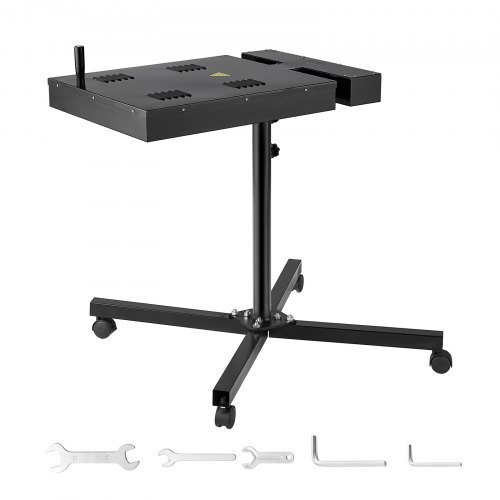
VEVOR Pro Flash Dryer 18×18 inch
Compact 18×18 platen and lower weight make this a space‑saving choice for smaller print runs and tighter work areas.
Overview
The VEVOR Pro Flash Dryer 18×18 is a compact electrical flash dryer aimed at hobbyists, start-up printers and small studios that need a reliable way to cure screen-printed ink in a confined space. With an 18×18-inch platen, 360° rotating head and an adjustable-height stand on an X-shaped base, this model prioritises manoeuvrability and a small footprint over maximum coverage.
VEVOR’s description highlights an enhanced heating system and compatibility with regional power variants, which suggests the unit is offered in different electrical ratings for different markets. As with any electrical curing appliance, it’s important to confirm the exact voltage and wattage for the version you’re buying and whether the required cables, plugs or accessories are included.
Who is this best for?
The 18×18 VEVOR Pro flash dryer is best suited to:
- Home printers and hobbyists who work on small runs and have limited studio space.
- Small businesses or start-ups that need a low-cost, compact flash dryer for occasional curing tasks.
- Printers who often cure smaller print areas — chest prints, sleeve prints or individual patches — and need to position the head precisely.
- Users who want a lightweight, portable curing option that’s easier to manoeuvre than larger, heavier platens.
It’s less well suited to high-volume shops, multi-colour production lines or printers who routinely cure large front-and-back garments in a single pass. If your main concern is throughput — the number of shirts you can cure per hour — a larger platen will likely serve you better.
Key features
- Drying area: 18 × 18 inches (approximately 45 × 45 cm), a compact platen for smaller print areas.
- Adjustable-height stand: Lets you set the unit to a comfortable working height and adapt to different platen positions on a press.
- 360° rotating head: Helps with accurate placement over prints and makes it easier to reposition without moving garments.
- X-shaped base: Designed for stability while keeping the overall footprint small.
- Enhanced heating system: Described as improved for consistent surface temperature — the product copy emphasises a more even heat profile.
- Regional power variants: Available in different electrical ratings. Check the retailer listing to confirm the model and power spec for your area.
Practical evaluation
Because this review is based on the product description and verified facts rather than hands-on testing, the practical observations focus on how the features translate into everyday use.
The 18×18 platen is intentionally compact. That makes the machine easier to position over prints on a manual screen press and means you can tuck it into tight spaces in a home studio. If you frequently print small items or single-colour chest prints, the platen size should be perfectly adequate. The smaller head also reduces the net weight, which helps if you need to move or reorient the dryer frequently during setup.
The adjustable-height stand is a welcome feature for any flash dryer. It lets you align the heater to the press platen height, reducing the risk of uneven cures caused by incorrect distance between the heater and the ink. Combined with the 360° rotating head, you get good control over placement: you can rotate the lamp instead of shifting the garment, which speeds up setup for multiple placements on the same garment.
Stability matters with hand-operated presses and busy benches. The X-shaped base is designed to give a stable footprint while keeping the stand compact. In practice that means less wobble when you’re positioning the head; however, stability will also depend on the surface you place it on and how tightly the stand and rotation joints are built. It’s worth checking the retailer listing for assembly instructions and any notes about tightening or maintenance of the rotation mechanism.
The product mentions an enhanced heating system for a consistent surface temperature. Consistent heat across the platen is crucial for reliable curing and avoiding uneven ink shine or undercured spots. While the description implies improved performance, the actual heat distribution, recovery time and achievable curing temperatures will depend on the electrical variant and the specific heater design. Confirming the exact wattage and voltage before buying is essential — these determine how quickly the unit reaches temperature and how well it holds that temperature under repeated use.
Strengths
- Compact footprint: The 18×18 platen makes the dryer a good fit for small studios, tight workbenches and home setups where space is at a premium.
- Lightweight and manoeuvrable: Easier to reposition than larger flash dryers, helpful when working on individual garments or odd-sized items.
- Good for targeted curing: Well suited to chest prints, sleeves, patches and small transfers where a large platen would be unnecessary.
- Height and rotation adjustment: Practical features that improve accuracy and make it simpler to align the heater with the printed area without moving the garment repeatedly.
- Simple, sturdy base: The X-shaped stand provides a reasonable balance of stability and compactness for bench use.
- Generally lower entry price: The guide price is notably lower than larger platens, which can make this a sensible first flash dryer for new printers—though you should always check the current listing.
Limitations
The compact design introduces a few clear trade-offs that are worth weighing before you buy.
- Smaller coverage per pass: An 18×18 platen covers less area than larger models, so larger front prints or multi-print jobs will take more passes or require repositioning, which reduces throughput.
- Not ideal for high-volume use: If your business depends on curing dozens of shirts per hour, a larger dryer or an industrial curing conveyor will usually be faster and more efficient.
- Regional power differences: The unit is offered with regional electrical variants. Incorrect voltage or wattage for your location could affect performance or even be unsafe — make sure you buy the correct version and, if necessary, an appropriate plug or cable.
- Limited detail on included accessories and warranty: The retailer listing should be checked for what’s included in the box and the terms of any warranty; descriptions sometimes omit these details.
- Potential parts and build variability: Budget-conscious models often vary in finish and long-term durability between production runs. If you plan heavy daily use, consider whether a higher-spec commercial model is a better fit.
Pricing and value
The VEVOR 18×18 is positioned as a budget-friendly, compact flash dryer. A guide price is provided in the product data, but prices and availability can change, so always check the current retailer listing before purchasing. Lower price makes it attractive for hobbyists and new printers who need a functional curing solution without a large capital outlay.
Value depends largely on intended use. For occasional curing, short production runs, or studios where space is limited, the combination of compact size, adjustable height and rotation offers strong practical value. If your workload grows or you need to speed up throughput, you may soon outgrow the 18×18 platen and have to invest in a larger unit. When you compare value, think beyond initial cost to include long-term needs: how many shirts you expect to cure, whether you’ll need to do large prints, and what level of build quality you expect for daily use.
Also consider the local electrical variant: a cheaper import with the wrong voltage for your country may require additional adaptors or rewiring, which adds cost and complexity. Confirm the exact specification on the retailer page and, if necessary, check whether local support or spare parts are available.
Alternatives to consider
When choosing a flash dryer, your main alternatives are other small platens in the 18×18 range, larger platen models (for example, 18×25 and above), or different curing systems such as a conveyor dryer. Here’s a quick guide to help you decide which direction to explore further:
- Other 18×18 models: If space and price are the main constraints, other compact flash dryers from reputable brands may offer similar features with different build quality, controls or warranties. Compare the heating element design, rotation and height adjustment mechanisms, and the availability of spares.
- Larger platens (18×25 and up): If you expect to print larger front pieces or want to reduce the number of passes per garment, moving up to an 18×25 platen can save time and effort. The trade-off is increased weight, a larger footprint and generally higher cost.
- Conveyor dryer: For consistent, high-volume curing a conveyor dryer provides continuous throughput and often more consistent temperature control across full garments — but at substantially higher cost and space requirements.
- Infrared or specialised heaters: Some shops use specialised infrared flash units with specific wattages and reflectors for faster cures. These can reduce cure times for certain inks but are more specialised and usually pricier.
Which alternative is best depends on your production needs. If you’re unsure, start by mapping your typical job: the average print size, run lengths and how many garments you need to cure per day. Short runs and small prints favour compact units like the VEVOR 18×18; larger runs and bigger prints push you towards larger platens or a different curing system altogether.
Final verdict
The VEVOR Pro Flash Dryer 18×18 is a sensible, low-cost option for small studios, hobbyists and start-ups that need a compact, flexible flash dryer for targeted curing tasks. The adjustable-height stand, 360° rotation and X-shaped base are practical features that help with accurate placement and usability in cramped workspaces. The smaller platen and lighter weight make this model easier to manoeuvre and position than larger units, which matters if you’re frequently moving the dryer between prints or working on a small bench.
However, the compact size is also its main limitation. Printers with larger front prints, high-volume runs or multi-item production will likely find the 18×18 platen slows throughput, and at that point a larger platen or conveyor dryer becomes more cost-effective. The product description’s note about regional power variants is important: confirm the electrical rating and what accessories are included before buying to avoid compatibility problems.
In short, choose the VEVOR 18×18 if you need a practical, space-saving flash dryer for small to moderate workloads and targeted cures. If your focus is speed and high-volume throughput, consider stepping up to a larger platen size or a different curing system.
Note: Offers and prices can change. Check the retailer page for the current price, the exact electrical specifications for your region and details of what’s included in the box before you buy.
Compare this with the full shortlist
Return to the full comparison guide to see how this product compares against the other shortlisted choices.